
Restoring Mould and Damp-Damaged Photographs
Loft, garage and cellar storage is where most British family photographs quietly deteriorate. Damp gets in, mould follows, and by the time the box is opened the prints are spotted and stuck. Almost all of it is repairable — and handling them correctly first will save you money.
Restoring Mould and Damp-Damaged Photographs in Practice
Drag the handle to compare the original with the restored version.
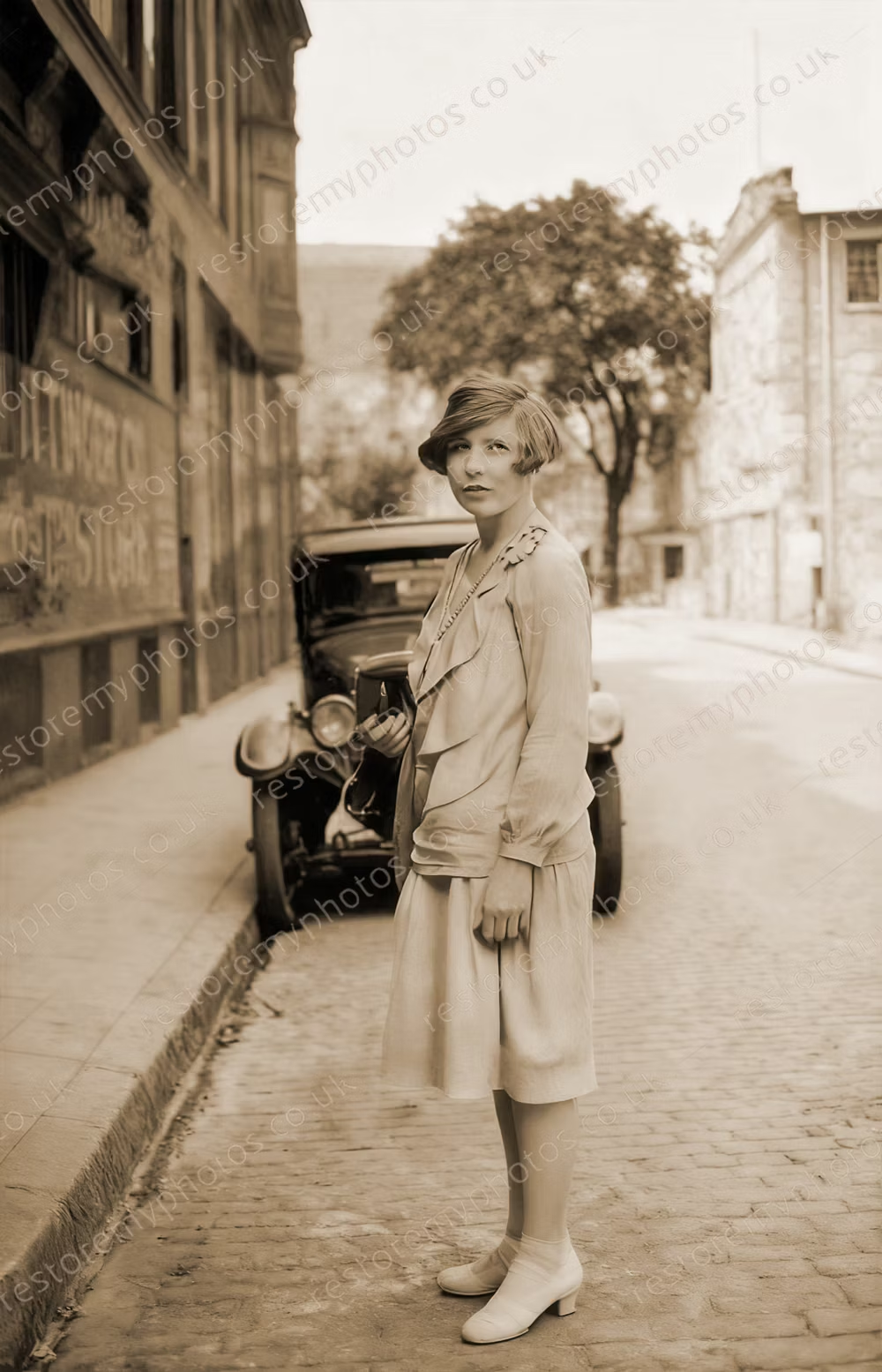
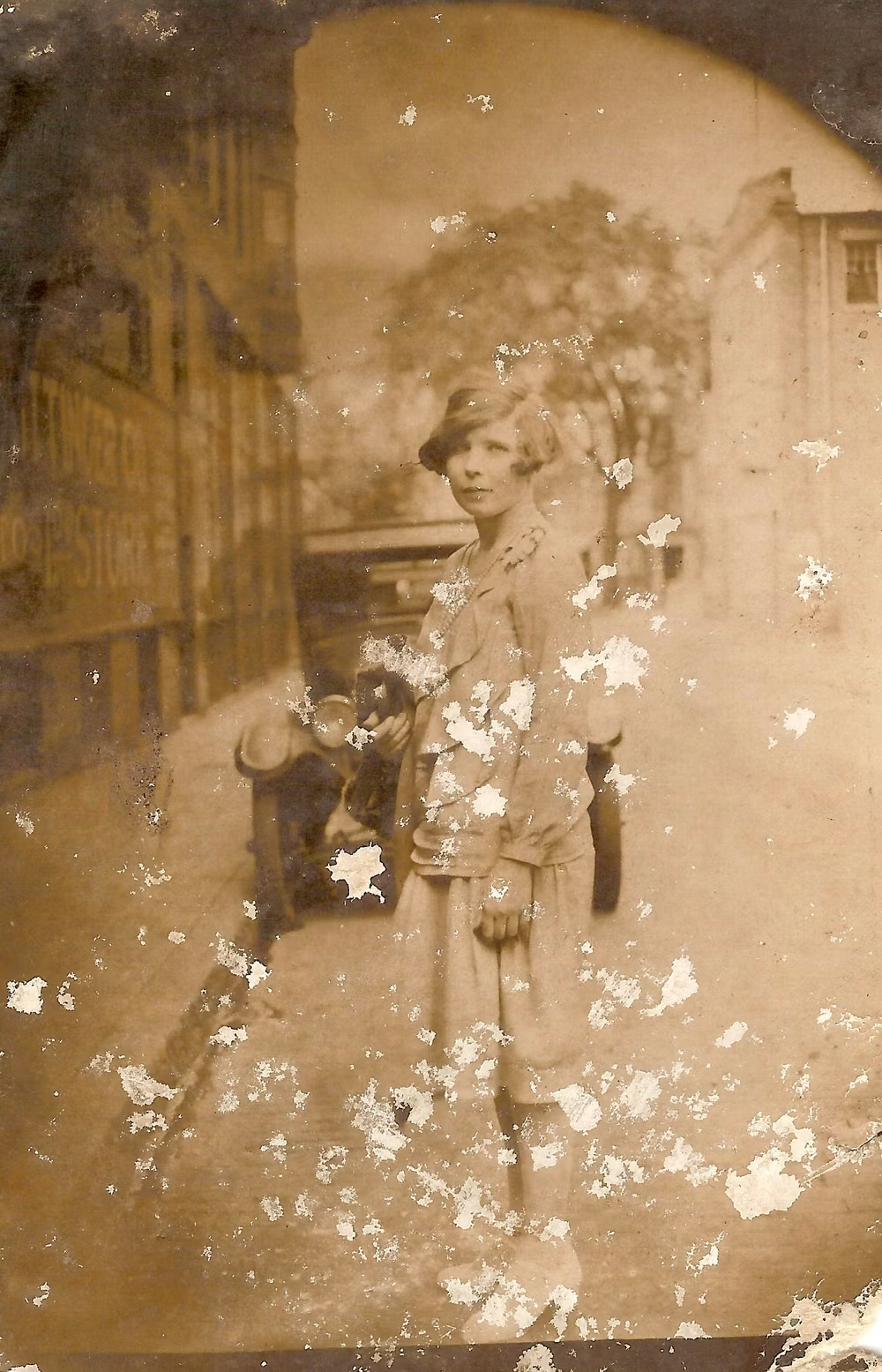
Mould across the whole print
White mould had eaten into the emulsion over the entire surface. Every bloom was rebuilt from the surrounding detail, including the patches across her face and the car behind her.

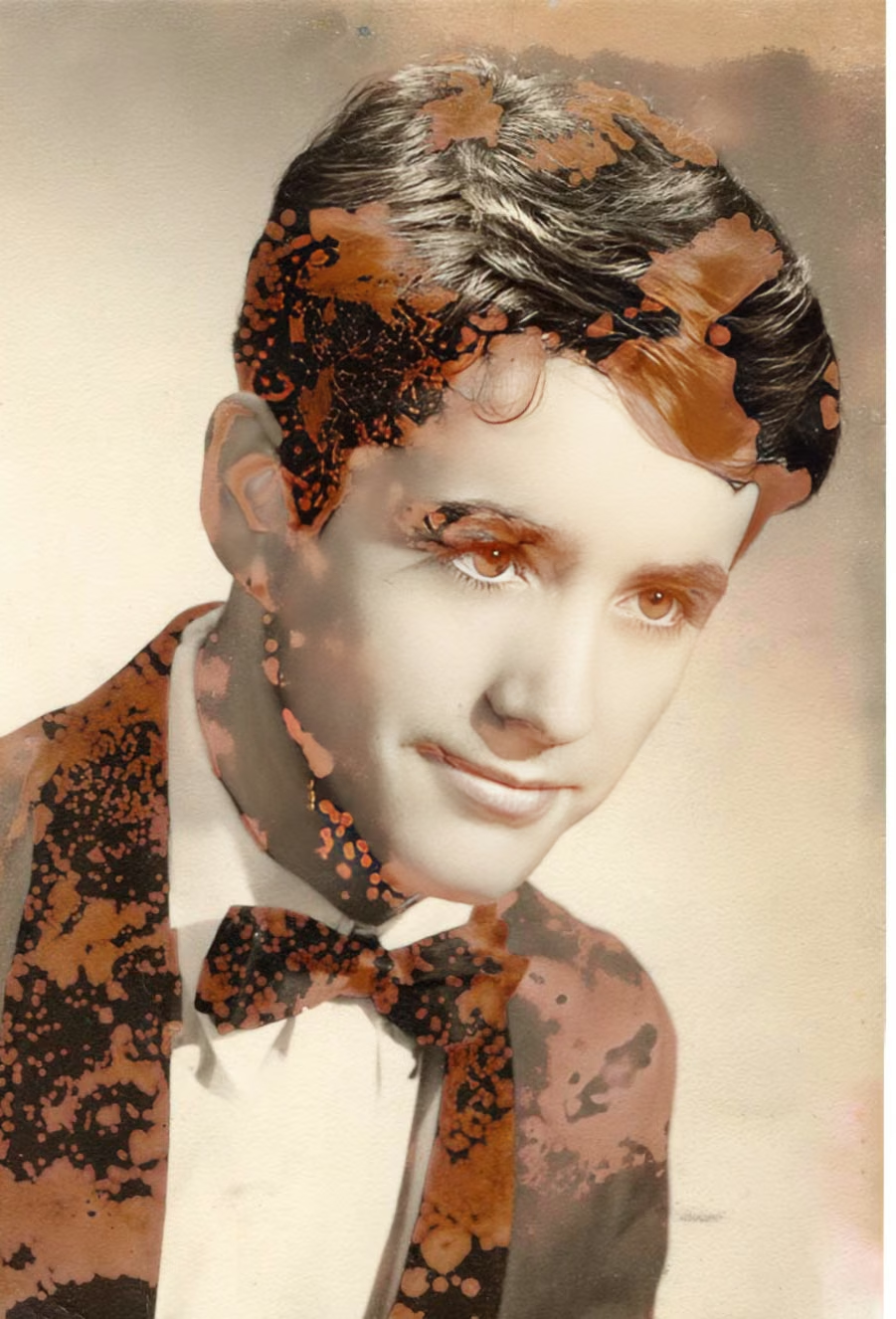
Foxing over a young man's face
Damp storage left rust-coloured foxing across the hair, forehead and jacket. The marks were lifted without flattening the features underneath them.
Handle Them Safely First
Mould on photographs is a health matter as well as a restoration one. A few precautions before you scan anything.
Work in fresh air and wear a mask
Mould spores become airborne as soon as you disturb a damp box. Open it outdoors or by an open window, wear a dust mask and gloves, and wash your hands afterwards. This matters more if anyone in the house has asthma.
Dry them out before anything else
Mould needs moisture to keep growing. Getting the prints somewhere cool, dry and airy stops the damage spreading, even if the existing marks stay. Do not seal damp photographs back into a plastic box or bag.
Do not scrub the surface
Dry mould can sometimes be lifted with a very soft brush, but scrubbing takes the emulsion with it. If in doubt, leave the marks alone — removing them digitally is straightforward, and rebuilding a scraped image is not.
Separate stuck prints gently
Damp makes photographs adhere to each other and to album sleeves. If they resist, stop. Freezing them first, as with water damage, makes separation far safer.
What Mould Damage Looks Like and How It Is Repaired
The pattern of the damage tells me how the restoration will go.
Foxing and spotting
Small rust-coloured or brown speckles scattered across the print, the most common form of damp damage in old photographs. Each spot is removed individually and the tone underneath rebuilt — tedious, but very reliable.
Mildew bloom
A hazy grey or white film across the surface, often in patches. The image beneath is usually intact, so removing the bloom digitally recovers a surprising amount of clarity.
Emulsion loss
Where mould has eaten into the image layer, detail is genuinely gone and has to be reconstructed from context. This is the most demanding case and where I will be most candid with you about what is achievable.
Staining from the album
Damp album card and adhesive leach into the print, leaving brown edges or rectangles. These lift out cleanly in most cases because the discolouration sits above the image.
Mould Damaged Photo Restoration starts from £15. Payment is only taken once you have approved the proof — see full photo restoration prices.
Restoring Mould and Damp-Damaged Photographs: Common Questions
The marks can be removed from a scan, yes. What cannot be undone is emulsion the mould has actually eaten away, and that has to be rebuilt by hand from the surrounding image. Most damp-stored photographs are somewhere in between, and the results are usually far better than people expect.
Take basic precautions. Open the box in fresh air, wear a dust mask and gloves, and wash your hands afterwards — mould spores are an irritant and matter more if anyone in the house is asthmatic. Once the prints are dry and scanned, you can put the originals away safely.
Almost always. Loft storage produces a predictable combination of fading, foxing and brittleness, and all three respond well to restoration. Send me a photo of the worst one in the box and I will tell you honestly whether it is worth your money.
It usually sits in the advanced band, £15–£25, because spotting has to be removed point by point. Light foxing on an otherwise sound print may come in cheaper. If you have a whole box, ask me to quote them together — batches work out cheaper per photo.
Other Types of Photo Damage I Repair
Not the damage you have? These pages cover the rest.
Send me your photograph
A scan or a clear phone photo is enough to start. I will tell you honestly what can be recovered, and what it will cost, within three hours.