
Repairing Water-Damaged Photographs
Water damage is the most urgent kind, because it keeps getting worse until the photograph is dry. If your photos have been in a flood or a leak, what you do in the first 48 hours matters more than anything I can do afterwards — so read the emergency advice below first.
Repairing Water-Damaged Photographs in Practice
Drag the handle to compare the original with the restored version.
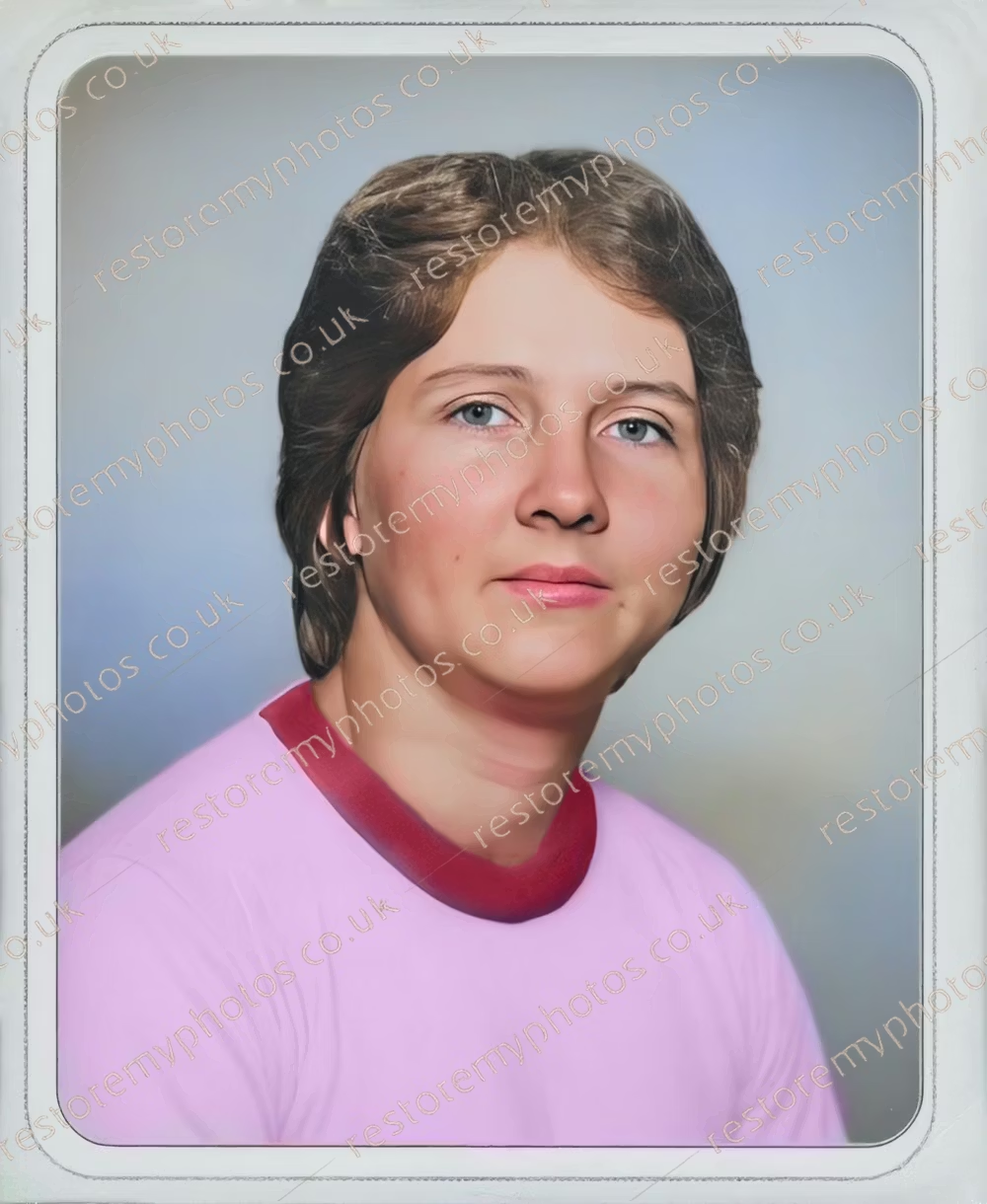
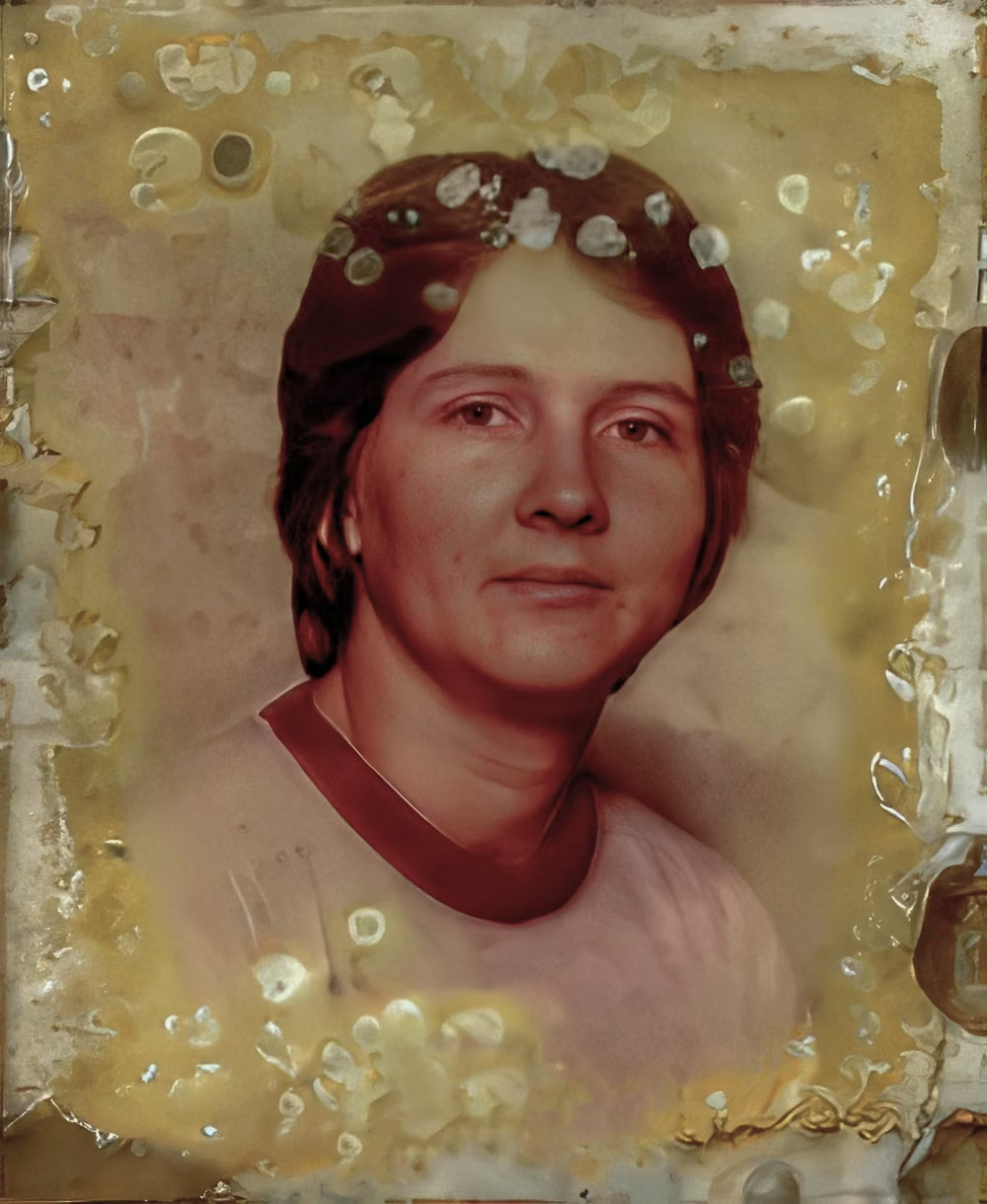
Water staining over most of the frame
Standing water had lifted the emulsion into yellow blisters around the head and shoulders. The stained layer was removed and the studio background rebuilt behind it.

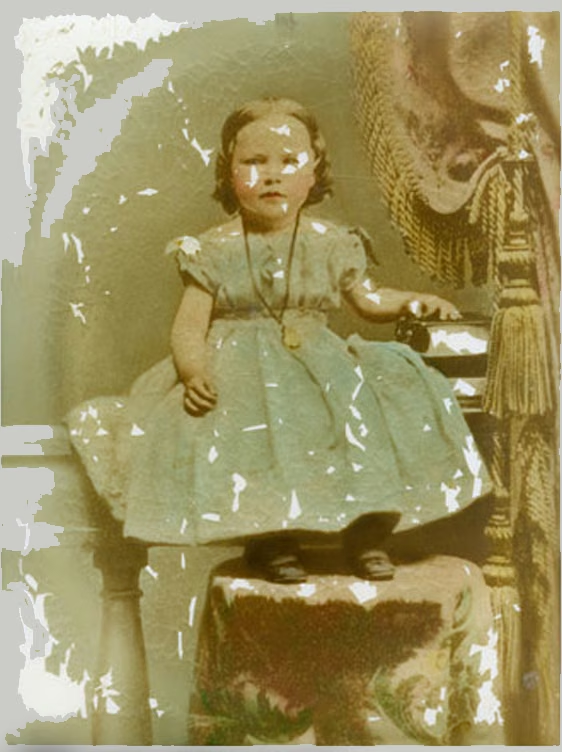
Emulsion clouded by damp
The print had been stored against glass and the surface had bonded to it, leaving a milky veil. The veil was cleared and the detail in the dress recovered underneath.
First: What To Do Right Now
If your photographs are still wet, this section matters more than the rest of the page. Act before you contact me.
Do not let them dry in a stack
This is the one thing that causes permanent loss. Wet prints fuse together as they dry and pulling them apart takes the image layer off. Separate them now, even if they are already tacky.
Air dry face up, flat
Lay each photo image-side up on absorbent paper somewhere cool with moving air. No hairdryer, no radiator, no direct sun — heat cooks the emulsion and makes the damage permanent.
If they are already stuck, freeze them
Counter-intuitive but genuinely effective. Put stuck photographs in a bag in the freezer. It stops the damage immediately and buys you weeks to separate them slowly. Conservators use this method routinely.
Do not try to wipe the surface
Wet emulsion is soft and lifts off under almost no pressure. Whatever is on the surface, leave it — marks are far easier for me to remove digitally than lost image is to rebuild.
What I Can Repair
Once the photograph is dry and stable, most water damage responds well to restoration.
Tide lines and water stains
The brown or grey edges left where water pooled and evaporated. These lift out cleanly in most cases, because the image underneath usually survives intact beneath the staining.
Blistering and cockling
Where the emulsion has bubbled or the paper has rippled, the surface is flattened digitally and the distorted areas rebuilt so faces and straight lines read correctly again.
Damage from separating stuck prints
If pulling photographs apart has taken patches of the image away, those areas are rebuilt by hand from the surrounding detail — the same process as repairing a tear.
Mould that followed the damp
Water damage is very often followed by mould growth. If yours has spots or a bloom across the surface, my page on mould and damp damage covers that specifically.
Water Damaged Photo Restoration starts from £15. Payment is only taken once you have approved the proof — see full photo restoration prices.
Repairing Water-Damaged Photographs: Common Questions
Very often, yes — but act quickly. Separate them now and air dry them flat and face up, or freeze them if they are already stuck together. Once they are dry and stable, staining, tide lines and blistering can all be repaired digitally. The image usually survives better than the paper does.
Do not force them apart. Put them in the freezer, then separate them slowly while frozen, or send me a scan of what you can see. Even where separating has removed patches of the image, those areas can be rebuilt by hand from the surrounding photograph.
Yes. The work is digital, so your original is never touched — I work from a scan. Tide lines and staining are removed from the scan while the detail underneath is preserved, which is why water damage repair often gives such a dramatic before and after.
Water damage is normally an advanced repair, £15–£25, because staining usually comes with blistering or lost areas. If it is light staining only, it may fall into the basic band. You will have a fixed price before any work starts.
Other Types of Photo Damage I Repair
Not the damage you have? These pages cover the rest.
Send me your photograph
A scan or a clear phone photo is enough to start. I will tell you honestly what can be recovered, and what it will cost, within three hours.